By: Samantha Bielawski
When it comes to marketing objectives it is important for a business to use in order to create awareness about itself. The first step is having a clear and established goal that follow the SMART criteria. Meaning that a business’s plan needs to be specific, measurable, achievable, relevant, and have a time frame. This helps keep plans in perspective and gives a company specific goals to achieve in a timely manner. These goals can vary depending on the business sense all businesses are not the same. Focuses can vary with the increase in sales or improving product awareness.
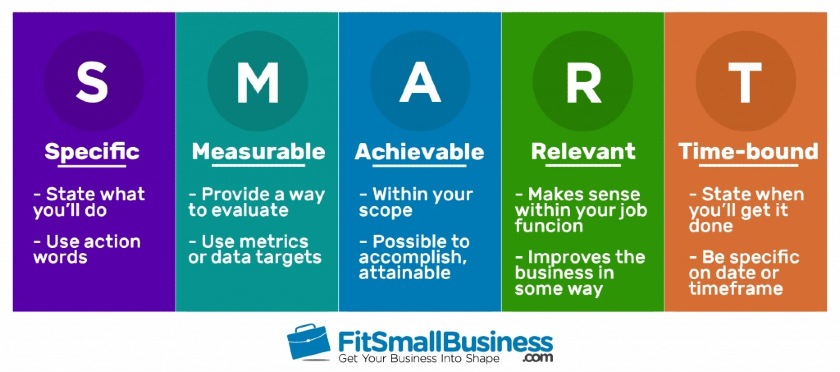
When it comes to setting marketing objectives it is important to be specific on the goal that the company wants to achieve. Avoid letting goals become vague, this will cause bad goal setting habits. Being sure to include team members in company goals and not make team goals in silos. This could cause goals to lack in organizational support which makes the goal more likely to fail. Also encouraging stretch-goals that challenge team limitations but be sure not to set unachievable goals that can lead to team frustration. When creating the goals it is best to circle back the company’s mission statement and values to ensure the marketing objectives are not working against what the company intends to stand for.
When looking at legal and ethical considerations, things like having high ethical standards, avoiding misleading claims, and allowing customers a voice in data collection and privacy. With having high ethical standards there is a higher chance of having loyal customers, stronger connections with employees, and a positive image within the industry. By making sure there are proper disclaimers to ensure there is no misleading claims, and that customers have the ability to unsubscribe from marketing messages.
No matter what the goal is it should have the thought process of being a SMART goal. An example of a SMART goal would be: Grow market share at least 10% by the end of the year(Proctor, 2020). This goal is specific because know what area we are wanting to grow and the level of growth we are looking to reach. The goal is measurable because they will be able to measure it by tracking new customers, growth in new markets, and the overall growth in current markets. The goal of 10% is achievable and the course of by the end of the year is a time frame of which the goal is set to be achieved.
When it comes down to it is important that a business’s marketing objectives should align with the goals of the business. Being sure to use the SMART method to ensure that the goal is doable. Businesses should also keep up with current laws put in place by the country and states that it is working out of. As well as be conscious that goals and the way the goals are being achieved is ethical. By ensuring all the steps are considered when planning, a business will be able to thrive as a whole.
References
Goodyer, M. (2015, February 25). Ethical and legal issues in marketing. Retrieved January 31, 2021, from https://www.b2bmarketing.net/en/resources/blog/ethical-and-legal-issues-marketing
Kaho, M. (2019, March 11). Examples of Marketing Objectives. Retrieved January 31, 2021, from https://smallbusiness.chron.com/examples-marketing-objectives-20231.html
Proctor, P. (2021, January 27). 10 SMART Goals Examples for Small Businesses in 2020. Retrieved January 31, 2021, from https://fitsmallbusiness.com/smart-goals-examples/
 Sam Bielawski